

Can Dogs Eat Banana? Safety Guide for Puppies, Banana Chips, Peels, Bread & Frozen Bananas
YES, dogs can eat banana as as an occasional healthy snack, but it should be given in moderation.
Does your dog wag his tail with joy when he sees a banana in your hand? As pet owners, we share our favorite treats with our furry friends. But are bananas really safe for their health? Or can they upset their stomachs?
Some people call bananas a superfood for dogs because they are soft and easy to chew. However, pet nutrition experts say bananas should only be an occasional treat because they contain natural sugar.
According to Karina Carbo-Johnson, dogs already get the nutrients they need from complete and balanced dog food, so bananas are not nutritionally necessary. Let’s find out the truth in this guide to Can Dogs Eat Bananas?
🍌 Can Dogs Eat Banana Peels?
It’s best to give dogs bananas without the peel. However, if your dog accidentally eats a whole banana with the peel, there is usually no need to panic.
Banana peels are not poisonous or toxic to dogs, unlike orange peels, which can irritate a dog’s stomach more severely.
That said, this does not mean banana peels are healthy for dogs.
⚠️ Banana peels can:
- Be difficult to digest
- Cause stomach upset
- Increase the risk of constipation or intestinal blockage, especially in small dogs
✅ General Recommendation
🍌 Banana
Okay in moderation
⚠️ Banana Peel
Avoid if possible
Can Dogs Eat Bananas? Benefits, Risks, and Safe Feeding
Can dogs eat bananas safely? Are bananas toxic or non-toxic to dogs?
Yes, dogs can safely eat bananas. Bananas are non-toxic and do not contain anything harmful for dogs. Unlike bananas, grapes, raisins, and cherry pits can be dangerous for dogs and may cause serious kidney problems and other health issues.
Bananas are also a healthy snack because they contain nutrients that support your dog’s health.
However, bananas contain natural sugar, so dogs should only eat them in small amounts as an occasional treat. Before giving bananas to your dog, always remove the peel and cut the fruit into small pieces to help prevent choking or stomach problems.
Overall, bananas are a safe and healthy treat for dogs when owners feed them properly and in moderation.
Health Benefits of Bananas for Dogs
Nutritional value of bananas for dogs: Do dogs actually need bananas in their diet?
Bananas contain many healthy vitamins, minerals, and natural compounds. These nutrients help humans more than dogs, but they can still support a dog’s overall health in several ways.
Potassium
Potassium helps the heart beat properly and supports healthy muscles. It also helps balance fluids in the body and supports kidney and digestive health.
Vitamin B6
Vitamin B6 supports brain and nerve development. It helps the body make hormones and red blood cells. It also helps dogs break down protein and supports the immune system.
Vitamin C
Vitamin C protects body cells from damage and helps reduce inflammation. It also supports collagen production, which keeps the skin healthy and helps protect joints.
Magnesium
Magnesium helps the body produce energy and absorb important minerals. It plays an important role in normal body functions and energy use.
Biotin
Biotin supports healthy skin and a shiny coat. It also helps the body produce keratin, which keeps hair and nails strong.
Manganese
Manganese supports healthy bones, connective tissues, wound healing, and immune health.
Copper
Copper helps the body use iron properly. It also supports collagen production and helps the immune system work correctly.
Dietary Fiber
Fiber supports healthy digestion and helps food move through the digestive system properly. The fiber in bananas may also help some dogs with constipation.
Protein
Bananas contain a small amount of protein, which helps repair and maintain body tissues.
Calories and Fat Content
Bananas naturally contain very little fat and almost no cholesterol. Because of this, they can be a healthier option than many processed dog treats.
Vets sometimes recommend bananas as a healthy treat for dogs, especially as an alternative to salty or fatty snacks. This makes bananas a safe option in many cases when given in moderation.
Bananas are also a better choice compared to many processed dog treats that contain artificial ingredients, excess salt, and unhealthy fats. In small amounts, banana slices can be a cleaner and healthier reward for dogs.
Can Bananas Be Bad for Dogs?
Risks of feeding bananas to dogs; Can bananas make dogs sick? Can dogs be allergic to bananas?
Bananas are usually safe for dogs, but owners should still know the possible risks. Bananas contain a lot of natural sugar, so eating too much can lead to weight gain, obesity, and dental problems.
Dogs with health conditions like diabetes, obesity, or pancreatitis should only eat bananas in very small amounts or avoid them completely.
If your dog swallows a banana peel or eats a large amount of banana, watch carefully for signs of intestinal blockage. This is a serious emergency, and you should not wait or guess.
Symptoms may appear within 6–24 hours and can include vomiting, loss of appetite, abdominal pain or bloating, weakness or tiredness, diarrhea, constipation or straining, and sudden weight loss.
If you see severe signs like repeated vomiting, blood in vomit or stool, extreme weakness, or collapse, take your dog to a vet or emergency clinic immediately. Early treatment greatly improves the chances of recovery.
Although rare, some dogs may have an allergic reaction to bananas. Signs of an allergy can include itching, swelling, vomiting, or diarrhea. Dogs taking certain medications should also be checked by a veterinarian before eating bananas because the potassium in bananas may interact with some medicines.
Overall, bananas can be a safe occasional treat for healthy dogs when given properly and in moderation.
⚠️ Upset Stomach Symptom Escalation
If your dog eats too much banana or swallows a peel, monitor their condition closely. Symptoms can vary from mild to severe, and knowing the difference is important.
🙂 Mild Symptoms (Monitor at home)
- Decreased appetite
- Mild fatigue or low energy
- Drinking less water than usual
- Excessive Lip licking or mild nausea signs
👉 In these cases, watch your dog closely for 24 hours and keep their diet light.
🚨 Severe Symptoms (Emergency – Vet Needed Immediately)
- Repeated vomiting
- Excessive or watery diarrhea
- Blood in vomit or stool
- Severe weakness or collapse
- Signs of strong abdominal pain or bloating
👉 These symptoms require immediate veterinary care. Do not wait for improvement, as they may indicate a serious blockage or poisoning.



How Much Banana Can a Dog Eat?
Extra-Small Dogs (2–10 lbs)
Small Dogs (11–20 lbs)
Small–Medium Dogs (21–35 lbs)
Medium Dogs (36–50 lbs)
Large Dogs (51–90 lbs)
Extra-Large Dogs (91+ lbs)
Safe banana portion size for dogs; Can dogs eat bananas every day? Overfeeding banana symptoms in dogs; What happens if a dog eats too much banana?
The safe amount of banana for dogs depends on their size and should follow the rule that treats must stay under 10% of daily calories.
Small dogs can have a few thin slices or about one-quarter banana per week, medium dogs can have up to half a banana a few times per week, and large dogs can eat around half to one banana per week.
Dogs should not eat bananas every day because it can add too much sugar and disturb a balanced diet. Overfeeding bananas may cause symptoms weight gain, vomiting, diarrhea or constipation, loss of appetite, and increased thirst.
In some cases, eating too much can also lead to stomach pain and more serious digestive problems. The safest approach is to give bananas only as an occasional treat in small amounts.
Can Puppies Eat Bananas?
Is banana safe for puppies? How to feed bananas to young dogs
Bananas are safe for puppies, but only in small amounts and at the right age. Puppies under 12 weeks old should avoid bananas because their digestion is still developing and they need milk or puppy formula.
After 3–4 months, you can slowly introduce tiny banana pieces as an occasional treat. A good rule for puppies is to introduce only one new food or treat per day.
This helps identify the cause if your puppy develops stomach upset, vomiting, or diarrhea. If a reaction occurs, you will know exactly which food triggered it and can avoid it in the future.
For puppies aged 6 months to 1 year, give only very small pieces once or twice a week, since their main nutrition should come from proper puppy food.
Always peel the banana and cut or mash it into tiny pieces to avoid choking. Too much banana or early feeding can cause stomach upset like diarrhea or constipation.
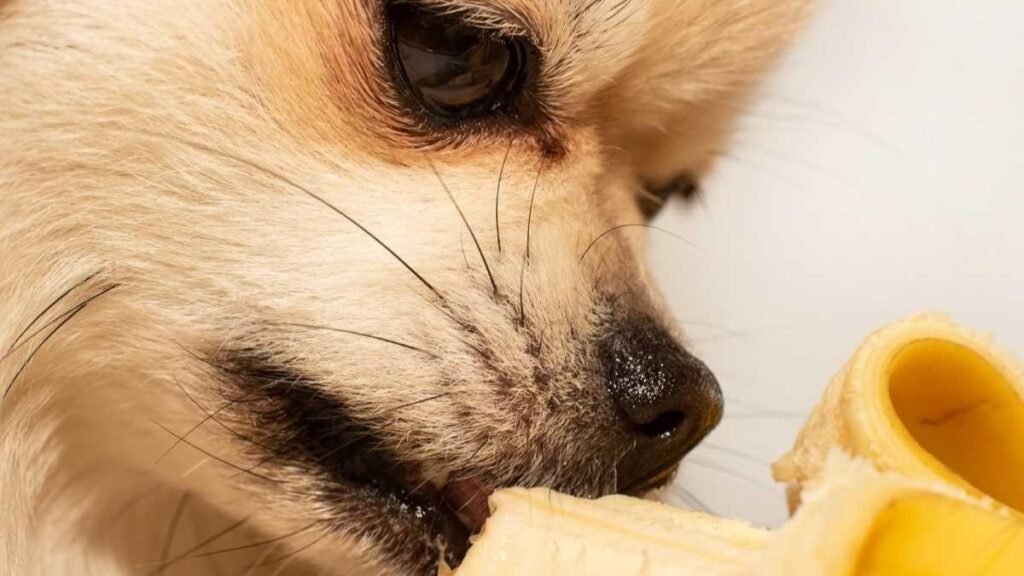


How to Feed Bananas to Dogs Safely
Best ways to serve bananas to dogs; Feeding tips for dog owners
There are a few simple and safe ways to feed bananas to dogs depending on their age and preference.
- The first method is mashed banana. Peel the banana and mash it into a soft texture. This works well for puppies, senior dogs, or dogs with weak teeth. You can also mix it with plain yogurt, pumpkin, or a little peanut butter (without xylitol) for better taste.
- The second method is small bite pieces. Cut the banana into tiny, bite-sized chunks and give them as a treat or training reward. This helps control portion size and makes it easy for dogs to eat safely.
- The third method is mixing banana with regular dog food. Add small banana pieces or mashed banana into kibble or wet food to improve taste and encourage eating.
🧸 Frozen Banana Dog Toy Treat
One of the best ways to give banana to dogs is by putting it inside a toy.
Mash the banana, fill a stuffable dog toy, and freeze it to create a long-lasting treat.
This is especially helpful for dogs that eat too quickly, get anxious when alone, or need mental stimulation during crate time.
The frozen texture keeps your dog engaged for longer and also provides a cooling, soothing treat experience.
For extra taste, you can mix mashed banana with dog-safe peanut butter before freezing for a more enjoyable treat.
Can Dogs Eat Banana Peels or Skins?
Are banana peels safe for dogs? Risks of banana skin ingestion
Banana peels are not safe for dogs and should never be fed on purpose. Even though they are not toxic, they are very hard, fibrous, and difficult to chew or digest.
If a dog eats banana peel, it can cause choking or serious stomach blockage, especially in small dogs, puppies, or older dogs. It may also lead to vomiting, constipation, stomach pain, or loss of appetite if the peel gets stuck in the digestive system.
Banana peels may also carry bacteria or pesticide residue and may irritate a dog’s mouth or teeth. In some cases, even small pieces can cause digestive upset.
The safest practice is to always remove and throw away the peel before giving bananas to your dog and keep peels out of their reach.



Can Dogs Eat Different Forms of Banana?
Can dogs eat banana chips or dried bananas? Can dogs eat banana bread? Can dogs eat banana pudding? Can dogs eat frozen bananas? Can dogs eat green bananas? Which banana forms are safe vs unsafe?
Different banana forms are not all safe for dogs.
Banana chips or dried banana are not always safe for dogs. If they are not chewed properly, they can absorb moisture in the stomach, swell, and may cause a blockage in the digestive system.
Banana bread is also unsafe because it often has sugar, butter, and sometimes toxic ingredients like chocolate or raisins.
Banana pudding is unsafe too, as it may contain added sugar, dairy, or even harmful sweeteners like xylitol. Green or unripe bananas are not dangerous but are harder to digest and not ideal for dogs.
Frozen bananas are not just a fun treat for dogs — they can also make snack time more exciting. When you freeze bananas, the texture and temperature change. Many dogs enjoy this cool and soft texture, especially dogs that do not like fresh banana slices very much.
Frozen banana pieces are also great during hot weather. The cold treat can help your dog feel refreshed while still enjoying a tasty reward. Many dog owners use small frozen banana pieces as special training treats because dogs often find them more exciting than normal snacks.
You can cut bananas into small bite-sized pieces and freeze them on a baking tray or plate. This makes them easy to store and quick to use during training sessions. Frozen bananas are a simple way to turn an everyday treat into something your dog enjoys even more.
Bananas for Dogs With Health Conditions
Can dogs eat bananas with diarrhea? Can dogs eat bananas with upset stomach? Can dogs with pancreatitis eat bananas? When bananas may help digestion; When bananas should be avoided
Bananas may help some dogs in small amounts, but they are not suitable for every health condition.
If your dog eats banana and then develops an upset stomach, you should watch their condition closely. Most mild problems like vomiting or diarrhea usually improve within 24 hours after stopping bananas.
If the symptoms continue after 24 hours, you should contact your veterinarian instead of waiting longer. But if your dog shows serious signs like repeated vomiting, diarrhea, blood in vomit or stool, weakness, or collapse, you should take them to a vet or emergency clinic immediately.
It is also important to know that bananas do not treat diarrhea in dogs. Some people think bananas can help settle the stomach because they contain fiber, but this is not always true.
Bananas have natural sugar, which can sometimes make stomach problems worse instead of better. If your dog has diarrhea or any digestive issue, the safest step is to talk to your vet for proper advice rather than using bananas as a home remedy.



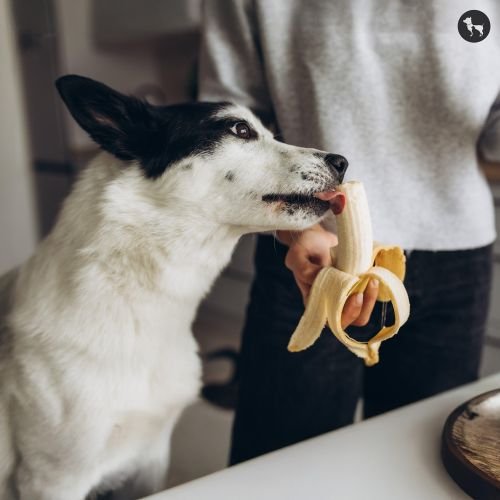
Dogs with pancreatitis should not eat bananas because they can worsen the condition. Bananas should also be avoided in dogs with diabetes, obesity, kidney disease, or heart problems, since the sugar and potassium may cause health risks.
Overall, bananas are only safe for healthy dogs or mild cases, and sick dogs should only eat them if a veterinarian approves.
🐶 Banana Sensitivity in Dogs
If your dog shows mild discomfort after eating banana, such as loose stool or a little gas, don’t panic and don’t immediately remove bananas completely.
First, watch your dog closely and check how much banana they are eating. Some dogs have sensitive stomachs and only need a smaller amount.
Start with a very small portion and observe how your dog reacts over the next 24 hours.
If everything looks fine, you can slowly increase the amount over the next two to three weeks so their stomach can adjust.
Every dog is different, so what works for one dog may not work for another.
Treat it as a simple trial process: start small, observe your dog’s reaction, and then decide the right portion for your pet.
What Happens If a Dog Eats Too Much Banana?
Symptoms of overfeeding banana; What to do if your dog ate a whole banana
If a dog eats too much banana, it can cause short-term and long-term health problems.
Short-term signs include vomiting, diarrhea, constipation, stomach pain, tiredness, loss of appetite, and increased thirst. In some cases, very large amounts may also trigger serious stomach issues like pancreatitis.
Long-term overfeeding can lead to weight gain, obesity, tooth decay, and other health problems because bananas contain natural sugar and extra calories.
If a dog eats a whole banana, small dogs may have stronger symptoms and should be watched closely or checked by a vet. Medium and large dogs may only get mild stomach upset, but they should still be monitored for the next 24–48 hours.

The best response is to give water, avoid extra food for a short time, and contact a vet if symptoms become severe or continue.
How to Recognize Banana Intolerance in Dogs
Signs your dog cannot tolerate bananas, Vomiting, diarrhea, and gas symptoms; Behavioral changes after eating banana
If a dog cannot tolerate bananas, signs usually appear soon after eating them or after repeated feeding.
Common symptoms include vomiting, diarrhea, gas, bloating, and stomach pain. Dogs may also look uncomfortable, move restlessly, or lose their appetite.
Some dogs show behavioral changes like tiredness, anxiety, whining, or unusual clinginess. In more sensitive cases, they may also develop itching, skin irritation, or mild allergic reactions.
If these signs appear, stop giving bananas and watch your dog closely. If symptoms continue or become severe, it is best to contact a veterinarian for advice.
DIY Banana Dog Treat Recipes + Safety Tips for Homemade Banana Treats




- Frozen banana & peanut butter bites
- Fruit Smoothie for Dogs
- Banana oat dog cookies
- Banana pumpkin soft treats
- No-bake banana energy balls
- Banana cheese frozen treat
- Peanut Butter & Banana Dog Cupcakes
You can make safe homemade banana treats for dogs using simple, dog-friendly ingredients and easy methods.
- Frozen banana and peanut butter bites are made by mixing mashed banana with xylitol-free peanut butter and freezing small portions in molds.
- You can make a dog-safe smoothie by blending frozen banana, strawberries, and blueberries with plain, sugar-free, xylitol-free yogurt. This can be served in small portions as an occasional treat.
- Banana oat cookies use mashed banana, rolled oats, and a little coconut oil, then baked into small cookies.
- Banana pumpkin soft treats combine banana, pumpkin puree, and oat or whole wheat flour, then baked until soft and easy to chew.
- No-bake banana energy balls mix banana, oats, and a little plain yogurt, then chilled until firm.
- Mix mashed banana, a small amount of dog-safe peanut butter, and a little mild cheese. Blend well, then fill a toy or mold and freeze until firm.
- You can bake dog-friendly cupcakes using mashed banana and peanut butter in a simple dog-safe batter. Avoid sugar, chocolate, and artificial sweeteners, and give only as an occasional treat.
When making treats at home, always use safe ingredients only, avoid chocolate, xylitol, grapes, or artificial sweeteners, and keep portions small. Don’t add sugar, salt, or spices meant for human food. Always store treats properly and give them in moderation as a snack, not a meal.
Important Safety Tips for Feeding Bananas
Feeding banana in moderation; Avoiding sugar overload in dogs, Best feeding frequency for bananas; Portion control rules for small vs large dogs
Feeding bananas in moderation is very important to keep dogs healthy and avoid diet problems. Treats, including bananas, should stay under 10% of a dog’s daily calories, while most nutrition should come from balanced dog food.
Because bananas contain natural sugar, too much can cause weight gain, dental issues, and stomach problems. Overripe bananas can contain higher natural sugar levels and may cause stomach upset if eaten in large amounts, so they should be given in moderation.
It is also important to choose ripe bananas and ensure they are free from pesticides or other contaminants before feeding them to dogs. To avoid sugar overload, don’t give bananas with other sweet treats on the same day.
Healthy dogs should eat bananas only 2–3 times per week. Puppies should get even less, while dogs with health issues like diabetes or obesity may need to avoid them or eat only under a vet’s advice.
Portion size also matters: Small dogs should get just a few slices, medium dogs about half a banana, and large dogs a little more—but never too much at once. Always keep portions small and occasional for safe feeding.
Note: When choosing your dog’s main diet, look for food that meets standards set by the Association of American Feed Control Officials (AAFCO). This ensures the food is complete and balanced, unlike treats such as bananas, which should only make up a small part of the diet.
Do Dogs Really Need Bananas in Their Diet?
Are bananas necessary or just a treat? Should bananas be part of regular diet?
Dogs do not need bananas in their regular diet. All their essential nutrition comes from complete and balanced dog food, which already includes the right amount of protein, vitamins, and minerals.
Bananas are only an optional treat, not a requirement. They can be given sometimes for taste, training, or enrichment, but they do not improve a dog’s core diet in any necessary way.
A healthy dog can live a full life without ever eating bananas. The safest approach is to treat bananas as an occasional snack, not a daily food.
Conclusion
Bananas give dogs quick energy because they contain glucose, fructose, and sucrose. This makes them a good treat for active dogs during play, training, or exercise.
They can also work as a post-workout snack to help dogs recover after activity. Frozen banana pieces help soothe teething puppies and provide a cool, calming treat. Overall, bananas are a simple natural reward for active dogs and growing puppies.
According to Jerry Klein, DVM, Chief Veterinary Officer of the American Kennel Club, bananas can be given to dogs as an occasional treat in moderation, especially as an alternative to processed snacks.
Albert Ahn, DVM, Strategic Advisor for MYOS Pet, notes that fruits can be included in a dog’s diet in small amounts but should not replace a complete and balanced dog food.
Too much of anything, even something as safe as a banana, can be harmful for your dog, which is why moderation is always important.
FAQs
What are bananas?
Bananas are long, curved fruits with soft flesh inside a peel that is green when unripe and yellow when ripe. They grow in clusters on banana plants in tropical and subtropical regions. The most common variety is the Cavendish banana, though many types exist worldwide.
Do dogs really need bananas?
Dogs do not need bananas in their diet. Their main nutrition should come from complete and balanced dog food (AAFCO-approved). Bananas are only an optional treat and should never replace proper meals.
Can dogs eat bananas safely?
Yes, bananas can be a healthy treat for dogs when given in moderation. They are low in cholesterol and sodium, which makes them a better option than many processed snacks. However, because they contain natural sugar, they should only be an occasional treat.
Can dogs eat dried bananas?
No, dried bananas are not safe. They have concentrated sugar and a hard texture that can cause choking and digestive issues.
Can dogs eat banana peels?
No, banana peels are unsafe. They are hard to digest and can cause choking or intestinal blockage.
Can dogs eat bananas every day?
No, dogs should not eat bananas daily. They should only be given 2–3 times per week in small portions.
Can dogs eat banana bread?
No, banana bread is unsafe because it often contains sugar, butter, chocolate, or raisins, which are harmful to dogs.
Is banana good for dogs with diarrhea?
Sometimes in very small amounts after recovery starts, but only with vet approval, as it may help firm stools due to fiber.
Can puppies eat bananas?
Yes, but only after 3–4 months of age. Give tiny mashed pieces once or twice a week and always supervise.
What types of bananas are best?
Ripe bananas are usually the best choice for dogs because they are softer, easier to digest, and more palatable. Some dogs may handle a whole, ripe banana without any issue, while others may find it too rich or harder to digest.
Because of this individual difference, it’s better to start with small pieces or mashed banana and see how your dog reacts before offering larger amounts.
How should I introduce bananas to my dog?
Always start slowly. Give a very small amount first and gradually increase over time if your dog tolerates it well. This helps prevent stomach upset and allows you to see how your dog reacts.
What temperature and time should baked banana treats use?
Most baked dog treats are cooked at around 175°C (350°F) for 12–20 minutes, depending on the recipe. Always ensure they are fully cooled before serving.
How should I store homemade banana treats?
Store treats in the refrigerator and use them within 3–4 days. Always keep them in an airtight container to maintain freshness.
Why do homemade treats pair well with a balanced diet?
Homemade treats pair well with a balanced diet because they use fresh ingredients without unnecessary additives. They can also be customized for your dog’s needs and fed in moderation as part of a healthy diet.
My dog ate too much banana — what do I do?
Don’t panic. A small excess is usually not dangerous. Stop giving banana and offer fresh water. If mild diarrhea occurs, withhold banana for 24–48 hours and monitor your dog. Contact a vet if symptoms last more than 24 hours. Seek urgent care if you see vomiting, bloating, inability to pass stool, or extreme lethargy.
Can dogs eat green bananas?
Green bananas are not toxic but are harder to digest due to resistant starch and may cause stomach upset. Ripe bananas are safer and easier to digest. In some cases, green bananas may be better for dogs needing lower sugar, but they should still be given cautiously.
Can dogs with pancreatitis eat bananas?
Usually yes, in small amounts. Bananas are low in fat and easy to digest, making them a possible occasional treat. However, they contain natural sugar, so portions must be small and approved by a vet.